RESOURCES
WEBSITES:

IncludeNYC.org is an important organization I connected with because of the fantastic work it does in the community. The organization provides resources such as group meetings for NYC children with disabilities from birth through age 26. These workshops support children and families teaching them how to advocate for themselves and get the training and resources needed through monthly events and seminars, so they participate meaningfully in society.

I discovered Sibling Support’s national impact through Sibshops, which is a subcomponent of the work they do. Sibling Support provides a national network for siblings with disabled siblings to share stories and offer moral support. They provide information and resources for these families in a non-traditional recreational setting. Also, Sibshops sells an assortment of unique bracelets called “the sibling support bracelet,” a beautiful bracelet symbolizing solidarity.
I discovered AHRC NYC’s impact on NYC when my parents and I petitioned NYC parks for a special swing for my brother Daniel. AHRC supports equity and advocates for social justice for New Yorkers with disabilities to lead whole equitable lives to the best of their abilities.
I discovered the impact of NYC’s Sibling Center while researching support groups and organizations for young people with disabled siblings on the internet. The Sibling Center supports siblings by providing counseling and life skills to promote and maintain individuality and be better caretakers for their disabled siblings later on in life.

Star Bridge Inc is another organization whose influence I discovered in my research for support groups. It is vital for siblings with disabled siblings to have a network that fosters healthy relationships with themselves, family, friends, and siblings. Bridges does just that. Their primary focus is relationship building, a term they coined “social capital.” I love the work they are doing for New Yorkers!
BOOKS FOR CHILDREN ON CEREBRAL PALSY:

The wonderful Way You Are: A Special Needs Picture Book
This is a powerful book that uses pictures to illustrate a variety of disabilities, also integrating ethnicity.
It is an extraordinary book as it is not limited and represents inclusivity.

Completely Emme: A cerebral Palsy Story (completely me)
This is a moving book about acceptance. The story shows a young girl with cerebral palsy who teaches compassion through self-love and perseverance. It normalizes the condition by centering its story around a main character who is afflicted with CP and that alone sends a powerful message.

I Think My Sister is a Superhero: when Special Needs Start to Look Like Super Powers
I appreciated this book as it put the focus not only on a child with special needs, but their sibling as well.. In the story, Johnny has a sister with special needs who behaves differently. Johnny takes the reader on a journey showing how he sees his sister’s differences as superpowers.

You Are Enough: A Book About Inclusion
This book celebrates being different. It is an important book to include in this specific canon because its message is especially empowering and reminds readers to be proud of their differences as those are what make them unique.
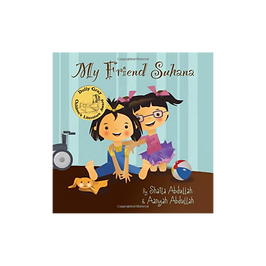
My Friend Suhana: A story of Friendship and Cerebral Palsy
(Growing with Love)
This book is a story about unconditional love. Two young girls form a beautiful friendship through art. The author shows children how to love and care for those who are different by showing empathy and compassion. The powerful and moving story of love, set against the backdrop of CP, works to normalize the condition and remind readers that people who suffer from CP are the same as those who don’t.
VIDEOS (YOUTUBE):
Thoughtfully illustrates how cerebral palsy affects each child differently and the value of early intervention therapies which can help combat these disabilities including physical, occupational, and speech therapy.
This video on cerebral palsy helps explain the different types of CP, including spastic, diplegic, hemiplegic, quadriplegic, ataxic, and dyskinetic cerebral palsy.
Eloquently explains the medical causes of cerebral palsy and the various developmental difficulties and functional abilities associated with different injuries to the brain. Deficits in gross motor functions, manual abilities, and problems in communication are reviewed.